
Vital Wellness Centre

Fascial Stretch Therapy in Mississauga for Mobility, Flexibility & Movement Recovery

Tightness and restricted movement are not always caused by muscles alone. Joint mobility, fascia, movement patterns, and nervous system tension can all contribute to stiffness and reduced flexibility.

At our Mississauga clinic, Fascial Stretch Therapy (FST) is designed to help improve mobility, reduce tension, and restore more comfortable movement through assisted stretching and movement-based treatment.

Whether you’re an athlete, active individual, desk worker, or simply feeling stiff and restricted, treatment is tailored to your body, mobility limitations, and goals.

Who Fascial Stretch Therapy Is For

Fascial Stretch Therapy may benefit people experiencing:

  • General stiffness and reduced flexibility
  • Tight hips from sitting or training
  • Shoulder mobility restrictions
  • Feeling “tight” despite regular stretching
  • Post-workout stiffness and recovery needs
  • Movement restrictions during exercise or sport
  • Desk-related posture tightness
  • Reduced mobility affecting daily activities or training performance
Lady with Back Pain over a laptop on a table.
Fascial Stretch Therapy

Symptoms This Treatment May Help With

People commonly seek Fascial Stretch Therapy for:

  • Tight hips and hamstrings
  • Restricted shoulder mobility
  • Stiffness after workouts or training
  • Reduced spinal rotation or movement
  • Limited flexibility during exercise
  • Tightness from prolonged sitting
  • Feeling physically “compressed” or restricted
  • General movement stiffness and tension buildup

What Is Fascial Stretch Therapy?

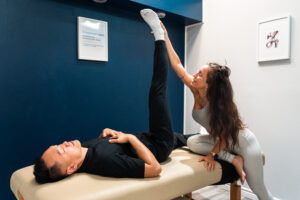
Fascial Stretch Therapy is a guided, assisted stretching approach that focuses on improving mobility throughout the body.

Treatment targets:

  • fascia (connective tissue)
  • muscles
  • joints
  • movement chains
  • nervous system tension responses

Unlike static stretching performed alone, Fascial Stretch Therapy is performed with assistance and movement-based techniques designed to help the body relax into improved range of motion.

Why Tightness & Mobility Restrictions Develop

Mobility limitations often develop gradually due to:

  • Long periods of sitting
  • Repetitive movement patterns
  • Strength training without adequate recovery
  • Previous injuries and compensation patterns
  • Reduced movement variability
  • Stress-related muscular guarding
  • Joint and fascial restrictions

Over time, this can contribute to stiffness, altered movement mechanics, and reduced flexibility even in active individuals.

AI generated man slumping over desk in dim lighting
Samantha Azevedo Fascial Stretch Therapist in Mississauga, Ontario
Samantha is our Resident Fascial Stretch Therapist!

Our Approach to Fascial Stretch Therapy

  • At our Mississauga clinic, Fascial Stretch Therapy focuses on improving movement quality while helping the body relax into greater mobility.

    Treatment may include:

    • Assisted stretching techniques
    • Movement-based mobility work
    • Joint traction and decompression-style movements
    • Dynamic stretching approaches
    • Targeted mobility work for restricted regions
    • Assessment of movement limitations and tension patterns

    Sessions are tailored to the individual based on:

    • mobility restrictions
    • activity level
    • training demands
    • recovery goals
    • overall movement quality

Common Areas Addressed

Fascial Stretch Therapy is commonly used for mobility restrictions involving the:

  • Hips
  • Hamstrings
  • Shoulders
  • Thoracic spine
  • Lower back
  • Neck
  • Ankles and calves

Fascial Stretch Therapy vs Traditional Stretching

Traditional stretching is often performed independently and focuses on isolated muscles.

Fascial Stretch Therapy is different because it:

  • uses assisted stretching techniques
  • focuses on movement chains and fascia
  • incorporates joint mobility
  • emphasizes nervous system relaxation during movement
  • is individualized based on restrictions and goals

Many people find it helps them achieve mobility improvements that are difficult to achieve through stretching alone.

Lady stretching forward and touching her toes
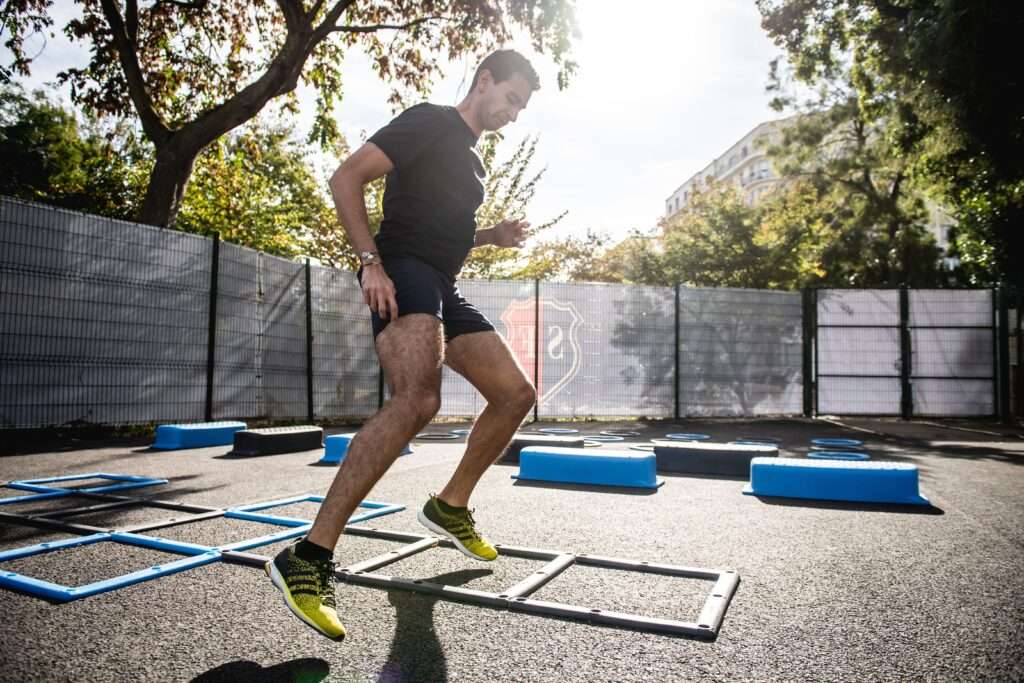
Man doing Agility ladder training

Fascial Stretch Therapy for Athletes & Active Individuals

FST is commonly used by:

  • runners
  • weightlifters
  • HYROX athletes
  • CrossFit athletes
  • recreational athletes
  • active adults

to help support:

  • recovery
  • mobility
  • movement efficiency
  • training comfort

It may be especially useful for people who feel consistently tight despite regular training or stretching routines.

What to Expect During Your Session

Your session begins with a discussion about:

  • mobility limitations
  • activity level
  • training demands
  • areas of stiffness
  • movement goals

Treatment is performed fully clothed or in comfortable athletic wear to allow movement throughout the session.

Most people report feeling:

  • looser
  • lighter
  • less restricted
  • more mobile

…after treatment.

FAQ

Comfortable athletic clothing that allows movement and stretching is recommended.

Treatment should feel like a controlled stretch rather than painful force. Intensity is adjusted based on comfort and mobility tolerance.

Massage therapy focuses primarily on soft tissue treatment, while Fascial Stretch Therapy focuses more on assisted stretching, mobility, and movement restoration.

It may help improve mobility and flexibility by addressing movement restrictions, fascial tension, and joint mobility limitations.

No. Many desk workers and non-athletes seek treatment for stiffness, posture-related tightness, and general mobility limitations.

Absolutely, FST is great for women who are pregnant to help release any pain, tension or discomfort they may be feeling during pregnancy. It also helps with opening the body to feel lighter, looser with greater flow and feeling during labour.

It's time for Fascial Stretch Therapy

If you’re feeling stiff, restricted, or limited in your movement, Fascial Stretch Therapy may help improve mobility and reduce overall tension.

Book an appointment at our Mississauga clinic to assess your mobility restrictions and begin targeted movement-focused treatment.